
Finding Affordable Car Insurance Options for Lower Incomes
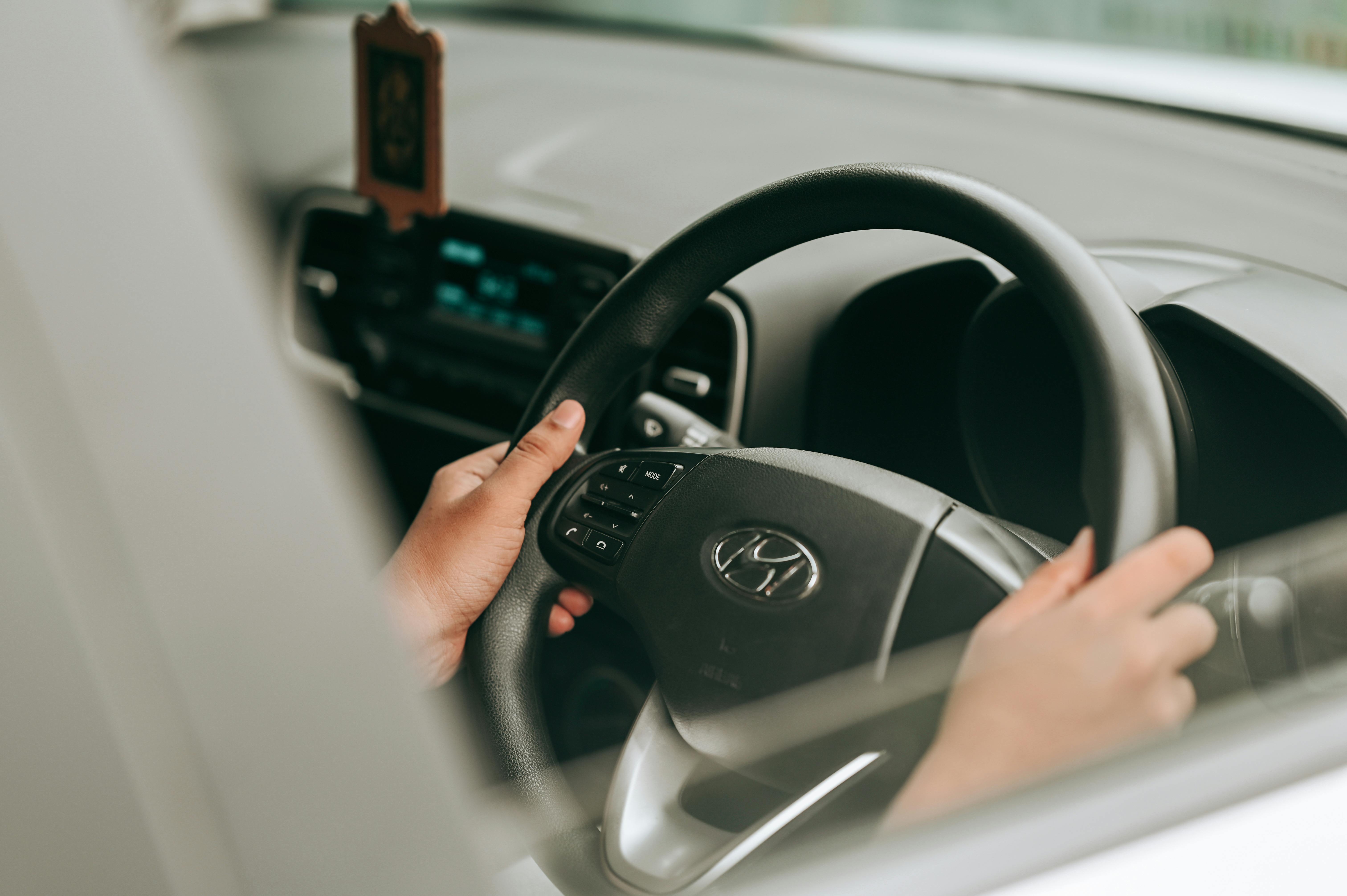
If the cost of car insurance feels like a significant barrier, you’re not alone. Securing necessary coverage when on a tight budget can be challenging, but various paths exist to make it more accessible. This guide explores practical strategies to help you find suitable car insurance without overstretching your finances, focusing on options beyond simply choosing minimum coverage.
Quick Answer
Finding affordable car insurance when you have a lower income often involves more than just selecting the cheapest option. It typically requires exploring state-specific programs, leveraging discounts, carefully reviewing coverage needs, and comparing offers from multiple providers. Understanding your options can lead to more manageable premiums.
Scope Lock: This guide focuses on strategies to find affordable car insurance for those with lower incomes, not on detailed breakdowns of specific state eligibility requirements for every program.
Documents to Prepare
Having these documents ready can streamline the process when applying for insurance or state assistance programs:
- Proof of income (e.g., recent pay stubs, tax returns, benefit statements)
- Valid driver's license(s) for all drivers on the policy
- Vehicle identification number (VIN) for all vehicles to be insured
- Vehicle registration information
- Current or previous insurance declarations page (if applicable)
- Proof of residency
- Social Security Number (SSN) or other identification
- Driving history records (e.g., from your state's DMV, if requested)
Strategies for Finding Affordable Coverage
Consider these approaches to help manage your car insurance costs:
- Explore State-Sponsored Programs: Some states offer programs designed to help lower-income drivers obtain affordable insurance. Check with your state's Department of Insurance.
- Seek Out Discounts: Inquire about discounts for low mileage, good driving records, taking defensive driving courses, being a student, or having certain vehicle safety features. Eligibility and availability vary by insurer and state.
- Consider Usage-Based Insurance: Programs that monitor driving habits (telematics) might offer lower rates if you demonstrate safe driving.
- Review Coverage Levels: Understand your state's minimum liability requirements. While opting for minimum coverage can lower premiums, it also means less protection in an accident. Balance your budget with adequate protection.
- Increase Your Deductible: A higher deductible means you pay more out-of-pocket if you file a claim, but it can significantly reduce your premium.
- Bundle Policies: If you have other insurance needs, like renter’s or home insurance, bundling policies with the same provider might result in a discount.
- Compare Quotes: Obtain quotes from several different insurance companies. Rates can vary widely for the same coverage, depending on the insurer.
- Maintain a Good Driving Record: Accidents and traffic violations can increase your premiums. Driving safely helps keep costs down over time.
Common Mistakes
Avoiding these pitfalls can help you secure better rates and prevent coverage gaps:
- Only Getting Minimum Liability: While it saves money upfront, state minimum liability coverage may not be enough to cover damages or injuries in a serious accident, leaving you financially vulnerable.
- Not Shopping Around: Sticking with the first quote you receive or renewing without checking other options can mean missing out on significant savings. Rates vary by insurer and individual circumstances.
- Failing to Disclose Accurate Information: Providing incorrect details about your driving history, vehicle, or usage can lead to policy cancellation or denied claims.
- Overlooking Available Discounts: Many drivers don't ask about all the discounts they might qualify for, leaving potential savings on the table.
- Letting Coverage Lapse: Gaps in your insurance history can lead to higher premiums when you seek new coverage and may result in fines or license suspension in some states.
What to Ask Your Insurer
When speaking with an insurance representative, be prepared to ask specific questions:
- "Are there any state-specific programs or discounts designed for lower-income drivers that I might qualify for?"
- "What discounts are available that I might be eligible for based on my driving history, vehicle, or other factors?"
- "How would increasing my deductible impact my premium, and what are the trade-offs?"
- "What are the practical implications of choosing minimum liability coverage versus higher limits in my state?"
- "Do you offer telematics or usage-based insurance programs, and how do they work?"
- "Can I pay my premium in installments without incurring additional fees or charges?"
- "Are there any options for combining my car insurance with other policies, like renter's insurance, for a discount?"
Mini Scenario
Maria needs car insurance for her older sedan but operates on a limited budget. She begins by researching her state's Department of Insurance website for any specific low-income assistance programs. Next, she gathers quotes from three different insurers, making sure to mention her clean driving record. One insurer offers a significant discount for drivers who commit to a low annual mileage, which fits her lifestyle. She also decides to increase her collision deductible slightly to further reduce her monthly premium, balancing cost with her financial comfort level for potential out-of-pocket expenses.
Frequently Asked Questions
Can I get car insurance if I have a very limited income?
Yes, it is often possible. Many states offer programs specifically designed to help lower-income drivers afford car insurance. Additionally, insurers provide various discounts and policy adjustments that can help reduce costs. It requires research and comparing options.
What is the cheapest type of car insurance I can get?
The cheapest policy typically involves selecting the minimum liability coverage required by your state. However, this coverage may not be sufficient to protect you financially in a serious accident, as it often only covers damages to other vehicles or injuries to other people, not your own car or medical expenses.
Are there state programs for affordable car insurance?
Yes, some states have programs. For example, California has the Low Cost Auto Insurance Program, and New Jersey offers the Special Automobile Insurance Policy (SAIP). Eligibility requirements vary by state, often based on income limits and vehicle value. Check with your state's Department of Insurance for details.
How can I lower my car insurance premium without reducing my coverage too much?
Consider increasing your deductible, which lowers your premium but means higher out-of-pocket costs if you file a claim. Also, look for discounts like good driver, low mileage, multi-policy, or safe vehicle features. Participating in usage-based insurance programs can also help if you drive safely.
Does my credit score affect car insurance rates?
In most states, your credit-based insurance score can influence your car insurance premiums. Generally, a higher credit score may lead to lower rates, while a lower score could result in higher premiums. However, some states prohibit or limit the use of credit scores in setting insurance rates, so this varies by location.