
Understanding Commercial Auto Insurance for New Jersey Businesses
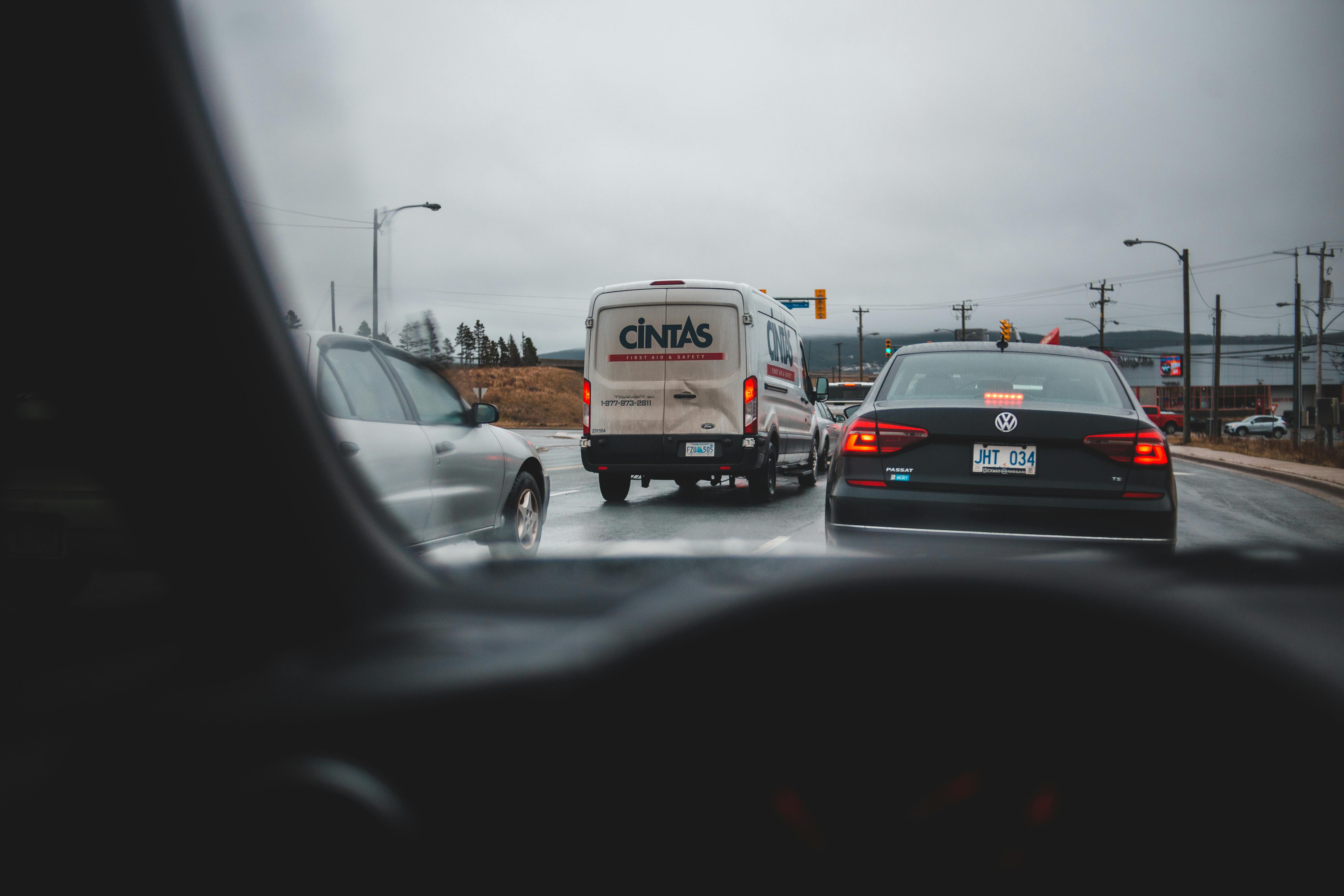
Running a business in New Jersey often means your vehicles are crucial to daily operations. Whether it's a delivery van, a contractor's truck, or a sedan for client visits, understanding how to protect these assets is key. If you've ever wondered if your personal car policy covers your work errands, you're not alone. Commercial auto insurance is designed for these specific business needs, helping to safeguard your company against potential financial setbacks from accidents or other incidents involving your work vehicles.
Quick Answer
Commercial auto insurance in New Jersey provides coverage for vehicles used in business operations, distinct from personal auto policies. It typically includes liability, collision, comprehensive, and uninsured/underinsured motorist coverages, tailored to address the unique risks and higher liability exposures associated with business use. Specific requirements and policy options can vary by insurer and the nature of your business.
Scope Lock: This guide focuses on understanding commercial auto insurance for businesses operating in New Jersey, not on personal auto policies or general business liability insurance.
Documents to Prepare
- Current business registration or articles of incorporation.
- Driver's license information for all employees who will operate business vehicles.
- Vehicle Identification Numbers (VINs) for all vehicles to be insured.
- Vehicle titles or lease agreements.
- Proof of prior commercial auto insurance (if applicable), including loss history reports.
- Business federal tax ID number (EIN).
- Details of how vehicles are used (e.g., delivery, service, passenger transport).
- Any existing commercial general liability policy declarations page.
Key Considerations for Your Policy
- Assess the primary use of each business vehicle.
- Determine the number of employees who will drive.
- Review required state minimum liability limits for commercial vehicles.
- Consider higher liability limits based on your business assets and risk exposure.
- Evaluate the need for collision and comprehensive coverage based on vehicle value.
- Think about specialized coverages like cargo insurance or non-owned auto liability.
- Factor in any specific requirements from contracts or clients.
Common Mistakes
- Using a Personal Policy for Business: Relying on a personal auto policy for vehicles primarily used for business can lead to denied claims. Personal policies typically have exclusions for commercial use.
- Underinsuring Liability: Opting for only minimum state liability limits might leave your business vulnerable if a serious accident occurs, potentially exposing company assets to lawsuits.
- Not Including All Drivers: Failing to list all employees who drive company vehicles can complicate claims or even void coverage for incidents involving unlisted drivers.
- Ignoring Specialized Coverages: Overlooking specific needs like coverage for tools or equipment carried in vehicles, or for employees using their personal cars for work errands, can result in gaps.
- Skipping Regular Reviews: Business operations evolve. Not reviewing your policy annually to reflect new vehicles, drivers, or changes in how vehicles are used can leave you under- or over-insured.
What to Ask Your Insurer
- What specific coverages are included and excluded in a standard commercial auto policy for my business type in New Jersey?
- Are there options for non-owned auto coverage or hired auto coverage, and do I need them?
- How does my business's claims history or the driving records of my employees affect my premiums?
- What are the payment options, and are there any discounts available for safety programs or bundling policies?
- What is the process for adding or removing vehicles or drivers from my policy?
- How will a claim impact my policy, and what is the typical claims reporting process?
Mini Scenario
A small landscaping company in Trenton, NJ, has two trucks. One morning, a driver for the company is en route to a client's property when they are involved in a minor fender-bender. The company's commercial auto policy covers the damage to the company truck and the other vehicle involved. The policy also addresses the medical expenses for the third-party driver, preventing a direct financial hit to the landscaping business.
Frequently Asked Questions
What is the main difference between personal and commercial auto insurance?
Personal auto insurance covers vehicles used for private, non-business purposes. Commercial auto insurance, however, is designed for vehicles used in business operations, often involving higher liability limits and specific coverages for business-related risks, such as transporting goods or clients.
Is commercial auto insurance required in New Jersey?
Yes, if you use vehicles for business purposes in New Jersey, commercial auto insurance is typically required. The state mandates minimum liability coverage for all registered vehicles, and commercial use often necessitates a policy specifically designed for those risks.
What types of businesses need commercial auto insurance?
Many types of businesses can benefit from or require commercial auto insurance. This includes contractors, delivery services, ride-share operators, landscapers, food trucks, real estate agents using their car for client visits, and any business that owns or leases vehicles for work-related activities.
What coverages are typically included in a commercial auto policy?
A standard commercial auto policy often includes bodily injury liability, property damage liability, medical payments/personal injury protection (PIP), collision, comprehensive, and uninsured/underinsured motorist coverage. Specialized endorsements can add coverage for specific business needs like cargo or non-owned autos.
Can I use my personal car for business and still be covered by my personal policy?
Generally, no. Most personal auto policies explicitly exclude coverage for vehicles used for business purposes. Even occasional business use might void coverage in the event of a claim. It's crucial to disclose any business use to your personal insurer or secure a commercial policy if your vehicle is regularly used for work.
Sources & Official References
Navigating commercial auto insurance in New Jersey involves understanding your business's specific risks and ensuring adequate protection. Taking the time to assess your needs and discuss options with an insurance professional can help you make informed decisions.