
Navigating High-Risk Home Insurance Options for Your Property
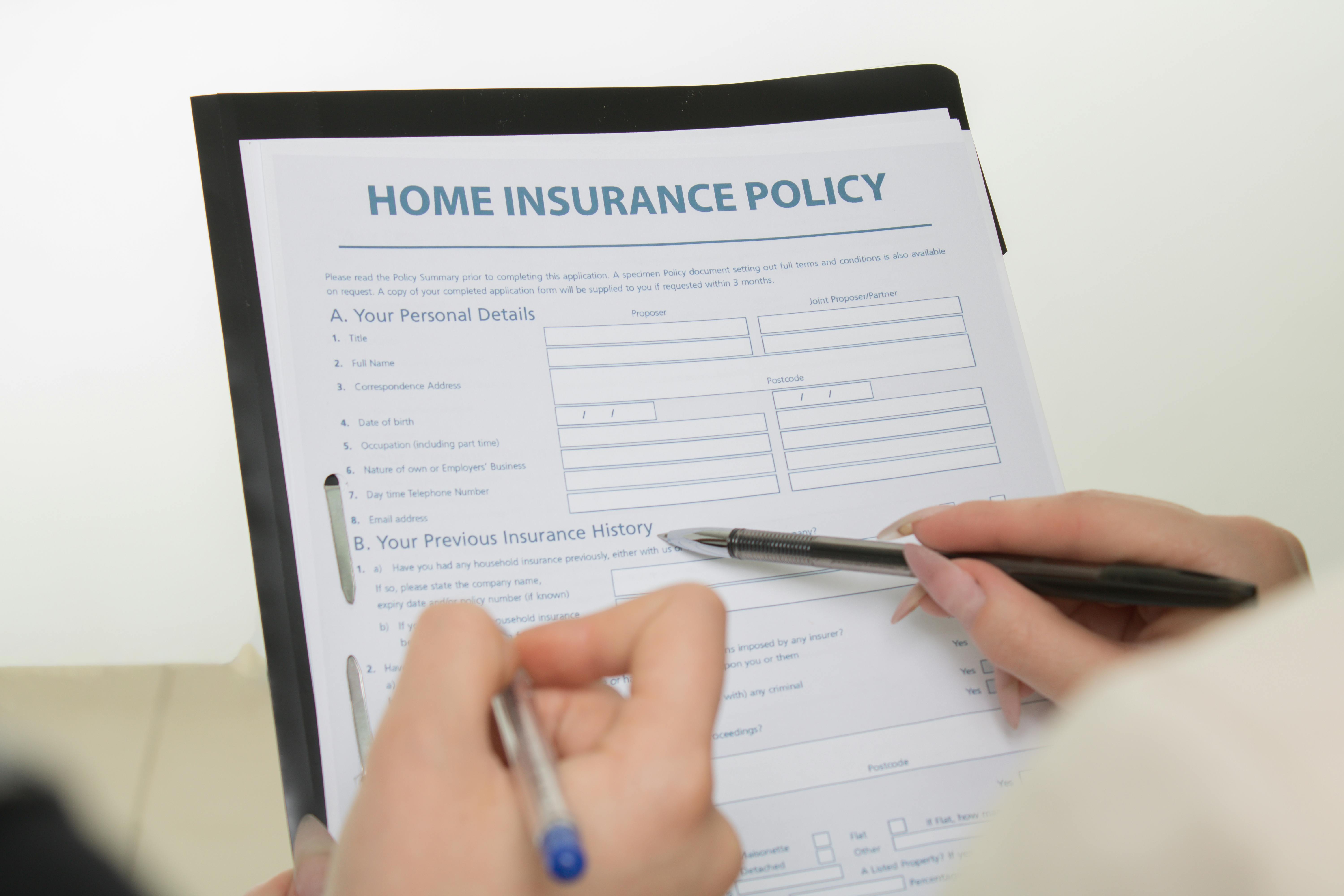
If you've ever received a non-renewal notice or struggled to find coverage for your home, you understand the frustration. Properties deemed "high risk" by insurers can face unique challenges in securing a standard homeowners policy. This designation isn't personal; it's often based on objective factors related to your home's location, condition, or claims history. Understanding these factors and knowing your options can make a significant difference in protecting your most valuable asset.
Quick Answer
High-risk home insurance refers to policies designed for properties or homeowners considered more likely to file a claim. This designation typically results from factors like geographic location in disaster-prone areas, the property's age or condition, or a history of frequent claims. Securing coverage may involve higher premiums, more limited policy terms, or specialized insurers, including state-backed options like FAIR Plans.
Scope Lock: This guide focuses on understanding and navigating high-risk home insurance options, not on specific legal definitions of risk zones.
Understanding High-Risk Home Insurance
When an insurer assesses your home, they evaluate the likelihood of future claims. If the perceived risk is too high for their standard underwriting criteria, your home might be labeled "high risk." This doesn't mean your home is uninsurable, but it does mean you may need to explore different avenues for coverage. These could include non-admitted carriers, surplus lines insurers, or government-sponsored programs designed for areas where conventional insurance is scarce.
The "high-risk" label isn't static. It can change as risk models evolve, as your property undergoes improvements, or as regional conditions shift. Being proactive in managing your home's risk profile can sometimes lead to more favorable insurance options over time.
Factors That Lead to High-Risk Designation
Several elements can contribute to a home being categorized as high risk. These often fall into broad categories:
- Geographic Location: Homes in areas prone to specific natural disasters, such as coastal regions vulnerable to hurricanes, earthquake fault lines, or wildfire-prone zones, are frequently deemed high risk. Flood risk, even outside designated flood zones, can also be a factor.
- Property Characteristics: Older homes with outdated electrical, plumbing, or roofing systems may present a higher risk of claims due to potential failures. Homes with specific features like certain types of swimming pools (without proper fencing) or aggressive dog breeds can also increase perceived risk.
- Claims History: A history of multiple past claims, even minor ones, can signal a higher risk to insurers. This is often tracked via industry databases like the CLUE (Comprehensive Loss Underwriting Exchange) report.
- Lack of Mitigation: Failing to implement measures that reduce risk, such as maintaining defensible space in wildfire areas or installing storm shutters in hurricane zones, can contribute to a high-risk designation.
Preparing Your Home for Better Coverage Options
While some risk factors are outside your control, you can take steps to make your home more attractive to insurers or reduce potential losses:
- Regular Maintenance: Keep your roof in good repair. Update older electrical and plumbing systems. Address any structural issues promptly.
- Install Mitigation Features: Consider installing impact-resistant windows, storm shutters, or a fortified roof if you're in a hurricane-prone area. For wildfire risks, create defensible space around your home by clearing brush and maintaining landscaping. Smart water leak detectors can help prevent water damage claims.
- Improve Security: Install a monitored alarm system, strong locks, and good exterior lighting.
- Address Known Hazards: Trim trees overhanging your roof, secure any loose structures, and ensure swimming pools have appropriate safety barriers.
- Maintain a Clean Claims History: Avoid filing small claims that could impact your loss history report. Consider covering minor damages out-of-pocket.
- Shop Around Annually: Even if you have high-risk coverage, routinely check with different carriers and brokers. The market can change.
Documents to Prepare
When seeking high-risk home insurance, having the right documentation ready can streamline the process and help you present your home in the best light.
- Your current homeowners insurance declarations page.
- Detailed property inspection reports or appraisals.
- Proof of recent home improvements (e.g., new roof installation, electrical updates, plumbing upgrades).
- Documentation of mitigation efforts (e.g., receipts for storm shutters, photos of brush clearance, alarm system certificates).
- Your CLUE (Comprehensive Loss Underwriting Exchange) report, if available.
- Photos of your property, both interior and exterior, especially highlighting any recent upgrades or risk reduction measures.
- Mortgage lender information, as they typically require proof of insurance.
- Any non-renewal letters or cancellation notices from previous insurers.
Common Mistakes
Navigating high-risk insurance can be complex. Avoid these common missteps:
- Not Disclosing Information: Withholding details about your home or claims history can lead to policy cancellation or claim denial. Be transparent.
- Assuming No Options Exist: Don't give up after the first denial. Explore specialty insurers, surplus lines brokers, and state-sponsored programs like FAIR Plans.
- Only Getting One Quote: High-risk insurance markets vary significantly. Obtain multiple quotes to compare coverage and costs.
- Neglecting Home Maintenance: Even with a high-risk policy, ongoing maintenance can prevent claims and potentially improve your risk profile for future renewals.
- Waiting Until the Last Minute: Securing high-risk coverage can take more time than standard policies. Start your search well before your current policy expires.
- Failing to Understand Policy Limitations: High-risk policies may have more exclusions or higher deductibles. Read the policy documents carefully.
What to Ask Your Insurer
When discussing high-risk coverage, ask specific questions to ensure you understand your options:
- What specific factors are classifying my home as high risk?
- Are there any specific mitigation steps I can take to potentially reduce my premium or improve my eligibility for standard coverage in the future?
- What coverage limits and deductibles are available for my property, and how do they compare to standard policies?
- Are there any state-backed programs, such as a FAIR Plan, or other specialized markets I qualify for?
- What are the key exclusions or limitations in this policy that I should be aware of?
- What is the process for reviewing my risk status if I make significant home improvements or if regional risk assessments change?
- How does this policy handle claims related to the specific risks my home faces (e.g., wildfire, flood, hurricane)?
Mini Scenario
Sarah owns a charming older home nestled in a picturesque, but increasingly wildfire-prone, canyon in California. After years with the same insurer, she receives a non-renewal notice, citing the elevated brush fire risk in her area. Frustrated but determined, she contacts an independent insurance broker specializing in hard-to-place properties. The broker guides her through options, including the California FAIR Plan, and suggests providing documentation of her recent roof upgrade and extensive defensible space efforts to potential insurers.
Frequently Asked Questions
What defines a "high-risk" home for insurance purposes?
A home is typically deemed high-risk if it's in an area prone to natural disasters (like wildfires, floods, or hurricanes), has an extensive claims history, or features older systems and conditions that increase the likelihood of future claims. Insurers assess these factors to determine coverage eligibility and premium rates.
Can I be denied home insurance if my home is considered high risk?
Yes, standard insurers may decline to offer coverage if your home's risk profile falls outside their underwriting guidelines. However, this doesn't mean you are without options. Specialized insurers, surplus lines carriers, or state-backed programs like FAIR Plans often exist to provide coverage for high-risk properties.
What is a FAIR Plan?
A FAIR (Fair Access to Insurance Requirements) Plan is a state-mandated program that provides basic property insurance coverage to homeowners who cannot obtain it through the voluntary market. These plans are typically available in states where certain risks make it difficult for properties to get traditional insurance, such as coastal or wildfire-prone areas. Coverage limits and terms vary by state.
Will my high-risk status change over time?
Your home's high-risk status can change. This might happen if you make significant risk-reducing improvements (like a new roof or wildfire mitigation), if regional risk assessments are updated, or if your claims history improves. It's wise to periodically review your situation with an insurer or broker.
Are premiums for high-risk homes always higher?
Premiums for high-risk homes are typically higher than for standard policies due to the increased likelihood of claims. They may also come with higher deductibles or more restrictive coverage terms. However, the exact cost varies significantly based on the specific risks, your location, the insurer, and the coverage chosen.
Does my claims history impact my high-risk status?
Yes, your claims history is a significant factor. Multiple past claims, even for minor incidents, can signal a higher risk to insurers. This information is often tracked through industry databases like the CLUE report, influencing an insurer's decision to offer or renew a policy and at what cost.
Sources & Official References
https://content.naic.org/
https://www.iii.org/
https://www.fema.gov/
Finding appropriate home insurance when your property is deemed high risk can be a journey, but it's not an impossible one. By understanding the reasons behind the designation, taking proactive steps to mitigate risks, and thoroughly exploring all available options, you can secure the necessary protection for your home. Don't hesitate to work with experienced professionals who can guide you through the process.