
Navigating a Home Insurance Claim for Roof Damage
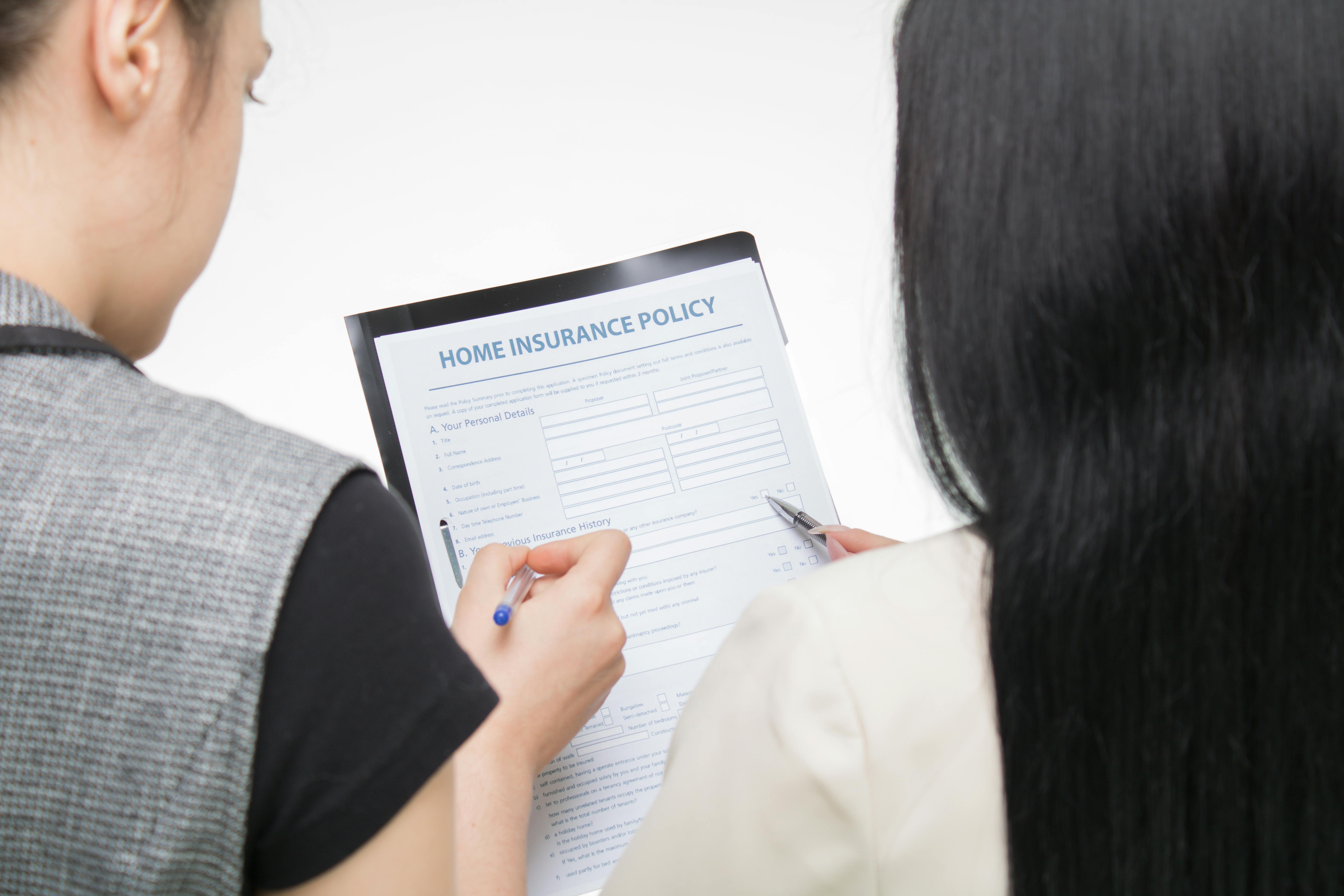
A damaged roof can be a homeowner's worst nightmare, especially after a severe storm. If you've ever looked up at your roof after strong winds or hail and wondered what comes next, you're certainly not alone. Understanding how to navigate a roof insurance claim can make a stressful situation more manageable, helping you protect your home and your finances.
Quick Answer
To file a roof insurance claim, first ensure safety and prevent further damage. Document all damage with photos and videos. Contact your insurer promptly to report the claim and get a claim number. Obtain detailed repair estimates from reputable contractors. Work with your insurer through their assessment process, understand your policy's coverage (like Actual Cash Value vs. Replacement Cost Value), and review any settlement offer before authorizing major repairs.
Scope Lock: This guide focuses on homeowner's insurance claims for roof damage from covered perils, not on commercial property claims or specific warranty issues.
Documents to Prepare
- Your current home insurance policy declarations page.
- Photos or videos of the roof before the damage (if available).
- Detailed photos and videos of all damage, including close-ups and wider shots.
- Receipts for any temporary repairs (e.g., tarping) to prevent further damage.
- Written estimates from at least two licensed roofing contractors detailing the scope of work and costs.
- Any communication records with your insurer (dates, times, names of representatives).
- A detailed inventory of any interior damage caused by the roof issue.
Steps to Navigate a Roof Claim
Dealing with roof damage can be overwhelming. Follow these steps to help manage the process:
- Ensure Safety First: If your roof is severely damaged, prioritize safety. Prevent further interior damage by covering broken areas with tarps if it's safe to do so.
- Document Everything: Take extensive photos and videos of the damage from multiple angles. Note the date and time of the damage discovery.
- Contact Your Insurer Promptly: Report the damage as soon as reasonably possible. Delays can sometimes complicate claims. Provide all details and get a claim number.
- Understand Your Policy: Review your policy for details on your deductible, coverage limits, and whether your roof is covered for Actual Cash Value (ACV) or Replacement Cost Value (RCV). This varies significantly by policy and state.
- Obtain Repair Estimates: Get detailed, written estimates from licensed and insured roofing contractors. These should outline materials, labor, and the full scope of work.
- Work with Your Adjuster: Cooperate with the insurance adjuster during their inspection. Provide them with all documentation you've gathered.
- Review Settlement Offer: Carefully examine the insurer's settlement offer against your estimates. If there's a discrepancy, discuss it with your adjuster and provide additional documentation if needed.
- Manage Repairs: Once the claim is approved and you understand the payment schedule, you can proceed with repairs. Keep all repair invoices and receipts.
Common Mistakes
Avoiding these common missteps can help smooth your roof claim process:
- Delaying Reporting: Waiting too long to report damage can sometimes be an issue, especially if it's hard to determine when the damage occurred.
- Insufficient Documentation: Not taking enough clear photos or videos of the damage, especially before any temporary repairs are made.
- Starting Major Repairs Too Soon: Beginning extensive repairs before your insurer has had a chance to inspect the damage and approve the scope of work. This can complicate coverage.
- Only Getting One Estimate: Relying on a single contractor's estimate might not provide a comprehensive view of repair costs. Getting multiple bids can be beneficial.
- Not Understanding Policy Terms: Failing to grasp key terms like your deductible, ACV vs. RCV, or specific exclusions in your policy can lead to unexpected out-of-pocket costs.
What to Ask Your Insurer
Having clear questions ready can help you get the information you need:
- What is my deductible for this type of claim, and how is it applied?
- Does my policy cover my roof for Actual Cash Value (ACV) or Replacement Cost Value (RCV)? What's the difference in payout?
- What is the typical timeline for processing a roof claim from start to finish?
- Are temporary repairs, such as tarping, covered under my policy? If so, what documentation is needed?
- Do you have a preferred network of contractors, or can I choose any licensed professional?
- What specific documentation do you require from me to process this claim efficiently?
- What happens if the repair estimate from my contractor is higher than the adjuster's assessment?
Mini Scenario
After a severe thunderstorm with high winds, Sarah notices several missing shingles and a visible sag in a section of her roof. She immediately takes photos from various angles, including close-ups of the damage and wider shots of her home. She then calls her insurance company, reports the claim, and receives a claim number. Her next step is to contact a few local, reputable roofing contractors to get detailed repair estimates.
Frequently Asked Questions
What kind of roof damage is typically covered by home insurance?
Home insurance policies typically cover roof damage caused by sudden and accidental perils, such as wind, hail, fire, or falling objects. Damage from normal wear and tear, neglect, or lack of maintenance is generally not covered. Coverage specifics vary by policy and insurer.
What is the difference between Actual Cash Value (ACV) and Replacement Cost Value (RCV) for roof coverage?
Actual Cash Value (ACV) coverage pays for the depreciated value of your roof at the time of loss, considering its age and condition. Replacement Cost Value (RCV) coverage pays for the cost to replace your roof with new materials of similar kind and quality, up to your policy limits, without deducting for depreciation. Your policy declarations page will specify which type of coverage you have, and this can vary by insurer and state.
Do I need to get multiple estimates for roof repairs?
While not always strictly required by every insurer, getting multiple detailed estimates from licensed and insured roofing contractors is often a good practice. It helps ensure you receive a fair and comprehensive assessment of the repair costs. Your insurer may have specific requirements regarding the number of estimates.
Will filing a roof claim raise my insurance premiums?
Filing a claim can impact your future insurance premiums, though the extent varies significantly. Factors influencing this include your claims history, the type and severity of the damage, your specific insurer's underwriting practices, and state insurance regulations. Some states have rules about premium increases after certain types of claims.
What should I do if my roof insurance claim is denied?
If your claim is denied, carefully review the denial letter to understand the specific reasons. If you believe the denial is incorrect, you can typically appeal the decision by providing additional documentation or information to your insurer. You may also consider consulting with a public adjuster or legal professional for guidance, though this is a personal decision.
Sources & Official References
Understanding your home insurance policy and knowing the steps for a roof claim can help you navigate what can be a challenging situation. By acting promptly, thoroughly documenting damage, and communicating effectively with your insurer and contractors, you can work towards restoring your home. Remember, policies vary, so refer to your specific coverage details.