
Understanding Oregon Car Insurance: Requirements & Smart Choices
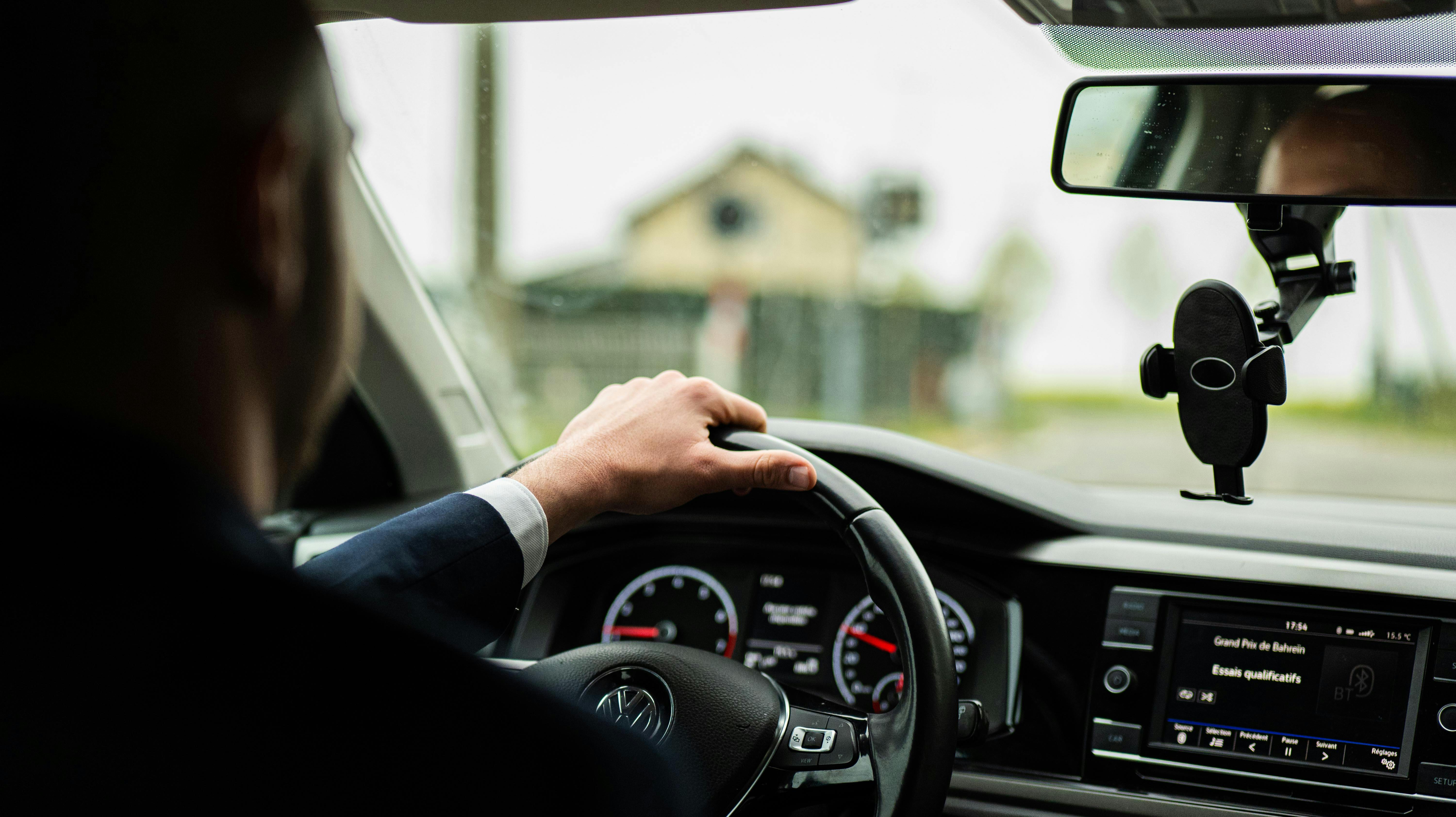
Navigating car insurance can feel like deciphering a complex puzzle, especially when state-specific rules come into play. If you've ever felt a bit overwhelmed trying to understand Oregon's requirements, you're not alone. This guide aims to clarify the essential aspects of car insurance in the Beaver State, helping you make informed choices without the jargon.
Quick Answer
In Oregon, drivers are required to carry minimum liability insurance, personal injury protection (PIP), and uninsured motorist coverage. These coverages protect you financially in case of an accident, covering damages and injuries to others, your own medical expenses, and scenarios involving drivers without adequate insurance. Policy options and costs can vary widely by insurer and individual circumstances.
Scope Lock: This guide focuses on understanding car insurance requirements and options in Oregon, not on specific policy comparisons or pricing details.
Documents to Prepare
When you're ready to get a new policy, renew, or even just review your current coverage, having certain documents handy can streamline the process significantly. These items help insurers accurately quote and manage your policy.
- Your driver's license number(s)
- Vehicle Identification Number (VIN) for each car
- Current vehicle registration
- Previous or current insurance policy declarations page
- Driving history details (tickets, accidents) for all drivers
- Lienholder information (if your vehicle is financed or leased)
- Proof of prior insurance coverage (if switching providers)
Key Coverages to Consider in Oregon
While Oregon mandates specific minimum coverages, understanding optional coverages can provide broader protection for your vehicle and finances. Consider these options beyond the state minimums.
- Collision Coverage: Helps pay for damage to your own vehicle from a collision, regardless of fault.
- Comprehensive Coverage: Protects your vehicle from non-collision incidents like theft, vandalism, fire, or weather damage.
- Higher Liability Limits: State minimums might not cover severe accidents. Opting for higher limits can protect your assets.
- Rental Car Reimbursement: Covers the cost of a rental car while your vehicle is being repaired after a covered claim.
- Roadside Assistance: Provides help for breakdowns, flat tires, or lockouts.
- Gap Insurance: If your car is totaled and you owe more than its actual cash value, gap insurance can cover the difference. This is particularly relevant for newer, financed vehicles.
Common Mistakes
Even with good intentions, drivers can make missteps when managing their car insurance. Avoiding these common errors can help ensure you have appropriate coverage and manage costs effectively.
- Only Buying State Minimum Coverage: While legal, minimum liability limits may not be enough to cover serious accidents, potentially leaving you responsible for significant out-of-pocket costs.
- Not Shopping Around Periodically: Insurance rates can change, and different insurers offer varying premiums for similar coverage. It's wise to compare quotes every few years or after significant life events.
- Forgetting to Update Your Policy: Changes like adding a new driver, moving, or modifying your vehicle can impact your coverage needs and rates. Failing to update your policy could lead to issues during a claim.
- Lapsing in Coverage: Allowing your policy to expire, even for a short period, can result in higher future premiums and potential penalties, especially in Oregon where continuous coverage is expected.
- Misunderstanding Deductibles: Choosing a very high deductible to lower premiums might save money upfront, but ensure you can afford to pay that amount if you need to file a claim.
What to Ask Your Insurer
Engaging with your insurance provider can clarify policy details and help tailor coverage to your specific needs. Here are some key questions to consider.
- "What are the precise minimum coverage requirements for Oregon, and do you recommend I carry more?"
- "Are there any discounts available for which I might qualify, such as multi-policy, safe driver, or low mileage discounts?"
- "How would a claim affect my premium, and what is your process for handling claims?"
- "What are the differences between your basic and enhanced roadside assistance options?"
- "Can you explain the actual cash value versus replacement cost for comprehensive and collision coverage?"
- "What happens if I need to add or remove a vehicle or driver from my policy in the middle of a term?"
Mini Scenario
Maria recently moved to Portland, Oregon, from out of state. She updated her driver's license and vehicle registration. When reviewing her existing car insurance policy, she realized her previous state's minimum requirements were different from Oregon's. She contacted her insurer to ensure her liability, PIP, and uninsured motorist coverages met Oregon's mandates, and to discuss whether her policy needed adjustments for her new city environment.
Frequently Asked Questions
What are the minimum car insurance requirements in Oregon?
Oregon requires drivers to carry minimum liability coverage ($25,000 per person/$50,000 per accident for bodily injury, and $20,000 for property damage), Personal Injury Protection (PIP) of $15,000 per person, and uninsured motorist coverage ($25,000 per person/$50,000 per accident). These are the basic legal requirements to operate a vehicle in the state.
What is Personal Injury Protection (PIP) in Oregon?
PIP coverage in Oregon helps pay for medical expenses, lost wages, and other related costs for you and your passengers, regardless of who was at fault in an accident. It's a mandatory coverage in the state.
Do I need uninsured motorist coverage in Oregon?
Yes, uninsured motorist coverage is mandatory in Oregon. It protects you and your passengers if you're involved in an accident with a driver who doesn't have insurance or doesn't have enough insurance to cover your damages.
Can my car insurance rates change in Oregon?
Yes, car insurance rates can change based on various factors, including your driving record, claims history, the type of vehicle you drive, where you live, and even general market conditions. It's advisable to review your policy and compare quotes periodically, as rates vary by insurer and individual circumstances.
What happens if I drive without insurance in Oregon?
Driving without the legally required insurance in Oregon can lead to significant penalties, including fines, suspension of your driver's license and vehicle registration, and your vehicle potentially being impounded. You would also be personally responsible for any damages or injuries if you cause an accident.
Sources & Official References
Understanding car insurance in Oregon is about more than just meeting legal requirements; it's about protecting yourself and your assets. By staying informed and periodically reviewing your policy, you can ensure your coverage aligns with your needs. Remember to ask questions and consider how different options fit your personal situation. This information is for educational purposes only and not a substitute for professional advice.