
Understanding Multi-Car and Van Insurance for Your Household
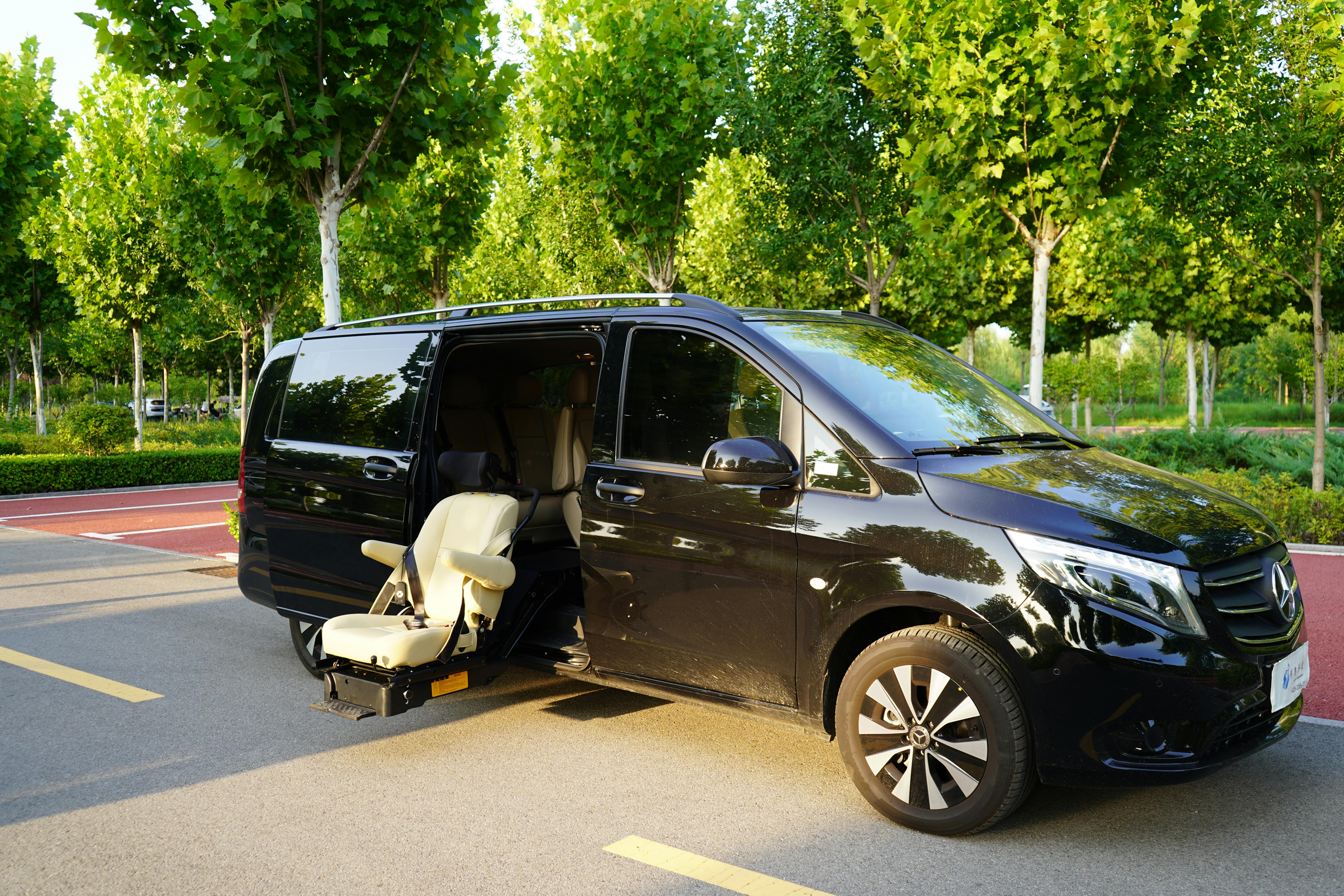
Managing insurance for multiple vehicles can feel like a juggling act. If you've ever tracked renewal dates for a family car and a work van on separate policies, you're not alone. Many households find themselves in this situation, wondering if there's a simpler way to manage coverage without sacrificing protection or paying more than necessary.
Quick Answer
Multi-car and van insurance allows you to cover multiple vehicles, including both cars and vans, under a single policy with one insurer. This approach can streamline policy management and potentially offer discounts compared to insuring each vehicle separately, though actual savings and availability vary by insurer and state.
Scope Lock: This guide focuses on multi-vehicle policies combining cars and vans for a household, not on commercial fleet insurance.
Documents to Prepare
When exploring multi-car and van insurance, having key information ready can make the process smoother:
- Current insurance declarations pages for all vehicles
- Vehicle identification numbers (VINs) for each car and van
- Driver's license information for all household members who will be listed
- Make, model, year, and approximate mileage for all vehicles
- Details of any recent claims or traffic violations for listed drivers
- Proof of prior insurance coverage
- Vehicle registration documents
Key Considerations for Multi-Vehicle Policies
Before committing to a multi-car and van policy, it's wise to review several aspects:
- Eligibility: Confirm if all your vehicles and drivers meet the insurer's criteria for a multi-vehicle policy. Some insurers may have restrictions on vehicle types or driver relationships.
- Discounts: Inquire about specific discounts for bundling. While common, the exact percentage or structure of these discounts can differ significantly between providers.
- Coverage Consistency: Decide if you want identical coverage levels for all vehicles or if certain vehicles (e.g., an older van vs. a newer car) require different levels of protection.
- Claim Process: Understand how a claim on one vehicle might affect the policy for the others, particularly concerning deductibles and future premiums.
- Policy Management: Consider the ease of adding or removing vehicles, updating driver information, and making payments under a single policy.
- Customization: Check if the policy allows for different deductibles or endorsements for individual vehicles.
Common Mistakes
Even with good intentions, some missteps can occur when exploring multi-vehicle insurance:
- Not Comparing Quotes: Assuming your current insurer offers the best multi-vehicle deal without checking competitors can mean missing out on better rates or coverage options.
- Overlooking Policy Details: Failing to read the fine print regarding specific exclusions or limitations for certain vehicle types (like vans used for business) can lead to coverage gaps.
- Forgetting to Update: Neglecting to inform your insurer promptly when you buy a new vehicle, sell an old one, or add a new driver to your household can affect your coverage validity.
- Ignoring Driver Information: Not listing all household members who regularly drive the insured vehicles can lead to issues during a claim.
- Assuming Identical Coverage: Believing all vehicles on a multi-policy automatically receive the same coverage without confirming can result in over-insuring or under-insuring a vehicle.
What to Ask Your Insurer
Having a clear conversation with your insurance provider is crucial. Here are some questions to guide you:
- What specific discounts are available for bundling both cars and vans on one policy?
- Are there any differences in coverage options or limitations between the car and the van under this policy?
- How does adding or removing a vehicle impact the overall premium and any applicable discounts?
- What are the eligibility requirements for all drivers and vehicles to be included on a multi-vehicle policy?
- If a claim is filed for one vehicle, how might that affect the premium or deductible for the other vehicles on the policy?
- Can I choose different deductibles or add specific endorsements for individual vehicles within the bundled policy?
Mini Scenario
Sarah and Tom own a family sedan and a small cargo van Tom uses for his part-time handyman business. Their current auto and van policies are separate and due for renewal in different months. They decide to explore combining them. They gather their VINs, driver's license numbers, and current declarations pages, then contact a few insurers to see if a multi-car and van policy could offer more convenience and a better rate.
Frequently Asked Questions
What is multi-car and van insurance?
It's an insurance policy that covers multiple vehicles, including both cars and vans, often owned by members of the same household, under a single policy with one insurer. This can simplify management and potentially offer combined discounts.
Can I save money with a multi-vehicle policy?
Bundling policies can sometimes lead to discounts compared to insuring each vehicle separately. However, actual savings vary by insurer, your specific vehicles, your driving history, and state regulations. It's wise to compare quotes.
Do all my vehicles get the same coverage under one policy?
Not necessarily. While it's one policy, you can often customize coverage levels (e.g., liability, collision, comprehensive) for each individual vehicle based on its value, use, and your needs. Discuss these options with your insurer.
What happens if one driver on the policy has an accident?
A claim filed for one vehicle or driver on a multi-vehicle policy may impact the overall policy premium at renewal. The extent of the impact can vary based on the insurer, the specifics of the incident, and your claims history.
Is commercial use of a van covered under a multi-car and van policy?
Typically, standard multi-car and van policies are designed for personal use. If your van is used for business purposes, you may need specific commercial vehicle insurance or an endorsement to ensure adequate coverage. This varies significantly by insurer and policy type, so always clarify this point.
Sources & Official References
Considering a multi-car and van insurance policy can offer a streamlined approach to managing your household's vehicle coverage. By understanding the options, asking the right questions, and avoiding common pitfalls, you can make an informed decision that suits your needs. Remember, policy specifics, discounts, and eligibility can vary, so comparing offers and discussing your unique situation with an insurer is a practical step.