
Understanding Auto Insurance: Does it Cover the Car or the Driver?
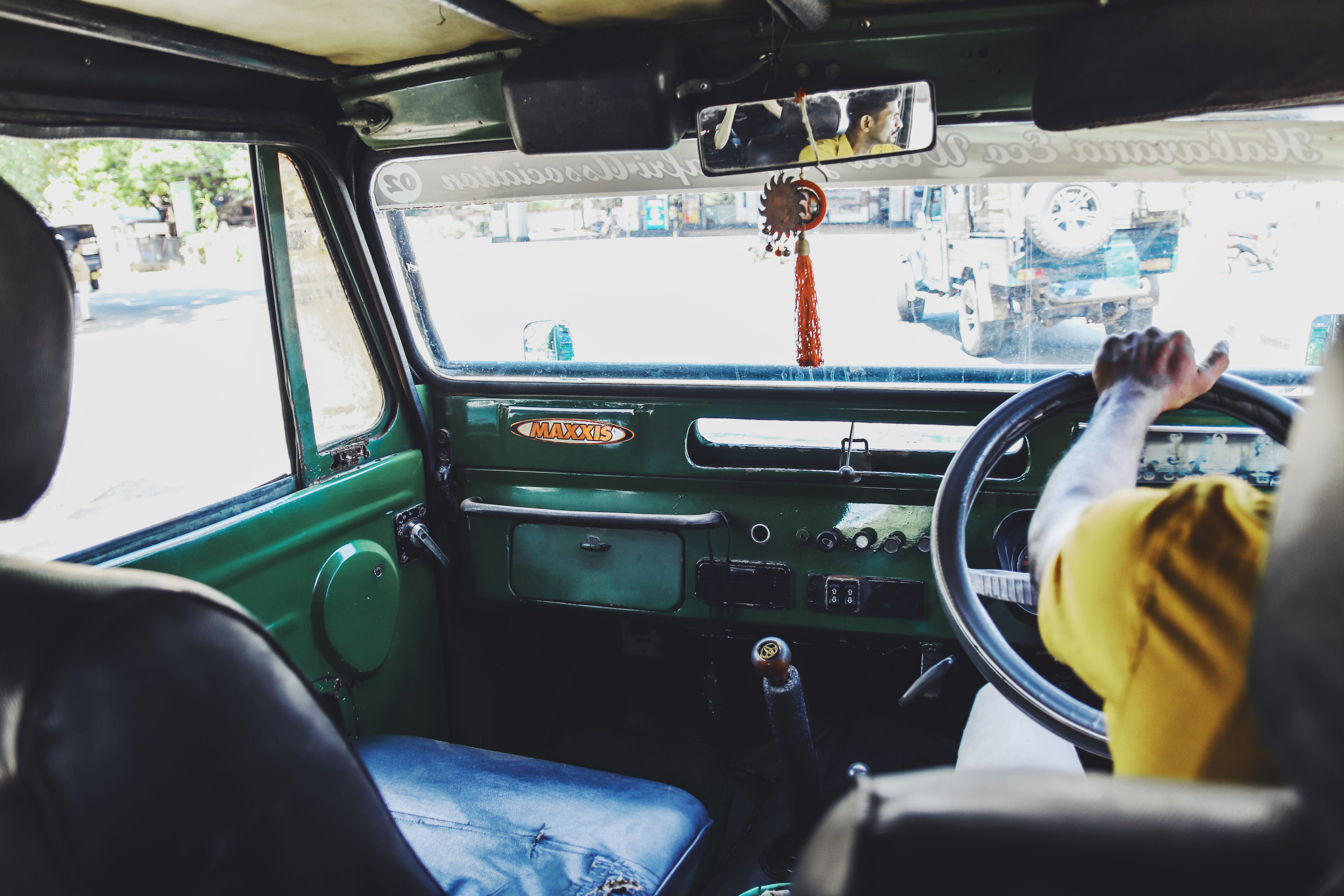
Lending your car to a friend or family member seems straightforward, until you consider what happens if there's an accident. Many drivers wonder if their auto insurance policy follows the vehicle itself or the person behind the wheel. If you've ever had that fleeting thought cross your mind, you're not alone. Understanding this distinction is key to knowing what protection you have and what liabilities you might face.
Quick Answer
Generally, auto insurance coverage primarily follows the car. This means that if you lend your vehicle to someone and they are involved in an accident, your policy is usually considered the primary coverage. However, the driver's own insurance can act as secondary coverage, potentially covering costs that exceed your policy limits. Specific coverage details can vary by insurer, state regulations, and the terms of your individual policy.
Scope Lock: This guide focuses on personal auto insurance policies and permissive use, not on commercial vehicle coverage or ride-share insurance policies.
Documents to Prepare
Having certain documents handy can streamline any claims process or help you understand your coverage better.
- Your auto insurance policy declarations page
- Vehicle registration and title
- Driver's licenses for all household members
- Any accident reports or police records (if applicable)
- Contact information for involved parties and witnesses
- Photos of vehicle damage before any repairs
Key Considerations for Auto Coverage
When someone else drives your car, several factors come into play regarding your insurance coverage. Understanding these points can help you avoid surprises.
- Permissive Use: Most policies extend coverage to "permissive users"—individuals you've given permission to drive your vehicle. This usually includes liability coverage.
- Non-Permissive Use: If someone drives your car without your permission, your policy may not cover damages or injuries they cause. This often applies to theft situations.
- Household Members: Drivers living in your household, especially those with regular access to your vehicle, typically need to be listed on your policy. Failing to do so could lead to denied claims.
- Policy Limits: Your policy's liability and physical damage limits will apply, regardless of who is driving (if they are a covered driver).
- Driver's Own Insurance: If the driver has their own auto insurance, it may provide secondary coverage if your policy's limits are exhausted.
Common Mistakes
Misunderstandings about who or what is covered can lead to significant financial headaches. Avoid these common pitfalls:
- Assuming Automatic Coverage: Don't assume anyone you hand your keys to is fully covered. Always confirm your policy's stance on permissive use.
- Not Listing Household Drivers: Forgetting to add a new teenage driver or a spouse to your policy can be a costly error, potentially leading to claim denials.
- Ignoring Policy Exclusions: Some policies have specific exclusions for certain types of drivers or situations. Review your declarations page carefully.
- Lending to High-Risk Drivers: While your policy may cover permissive use, lending your car to someone with a poor driving record could lead to higher premiums or even policy non-renewal after a claim.
- Not Understanding Deductibles: Remember that your deductible still applies, even if someone else was driving your car when an incident occurred.
What to Ask Your Insurer
The best way to get clarity on your specific situation is to speak directly with your insurance provider. Here are some questions to guide that conversation:
- What constitutes a "permissive user" under my current policy?
- If a friend borrows my car and has an accident, how does my coverage respond? What about their own insurance?
- Are there any specific drivers or situations that are excluded from coverage on my policy?
- What happens if a new driver moves into my household? How quickly do I need to add them?
- How do my deductibles apply if someone else is driving my vehicle during a covered incident?
Mini Scenario
Sarah lends her car to her friend, Mark, for a quick errand. While driving, Mark misjudges a turn and scrapes the car against a pole, causing minor body damage. Mark has his own auto insurance policy, but Sarah's policy is considered primary because it's her vehicle. Sarah files a claim with her insurer for the repairs, and her deductible applies. Mark's insurance might only come into play if the damages exceeded Sarah's policy limits or if there were specific liability concerns beyond the vehicle damage.
Frequently Asked Questions
What if the driver has their own insurance?
If the driver of your car has their own auto insurance, it typically acts as secondary coverage. This means your policy would pay out first up to its limits, and then their policy could potentially cover any remaining costs that exceed your coverage.
Does my insurance cover someone who lives with me?
Generally, household members who regularly drive your vehicle need to be listed on your auto insurance policy. If they are not, coverage may be denied in the event of an accident. It's best to inform your insurer of all licensed drivers residing in your home.
Are rental cars covered by my personal auto policy?
Many personal auto policies offer some level of coverage for rental cars, often extending your existing collision, comprehensive, and liability coverages. However, the extent can vary, and it might not cover all fees or situations. Always confirm with your insurer or rental car company.
What is 'permissive use'?
Permissive use refers to a situation where you give someone permission to drive your vehicle. Most auto insurance policies in the USA will extend coverage to these drivers, meaning your policy would be primary if an accident occurs while they are driving.
What if someone steals my car and crashes it?
If your car is stolen and subsequently crashed, your comprehensive coverage (if you have it) would typically cover the damages to your vehicle, regardless of who was driving. Liability coverage usually would not extend to the thief, as they were operating the vehicle without your permission.
Sources & Official References
Understanding how your auto insurance works, especially when others drive your vehicle, is a practical step toward managing potential risks. By knowing your policy's details and asking the right questions, you can help ensure you have the coverage you expect.