
Insuring a Car Without a Driver's License: What You Need to Know
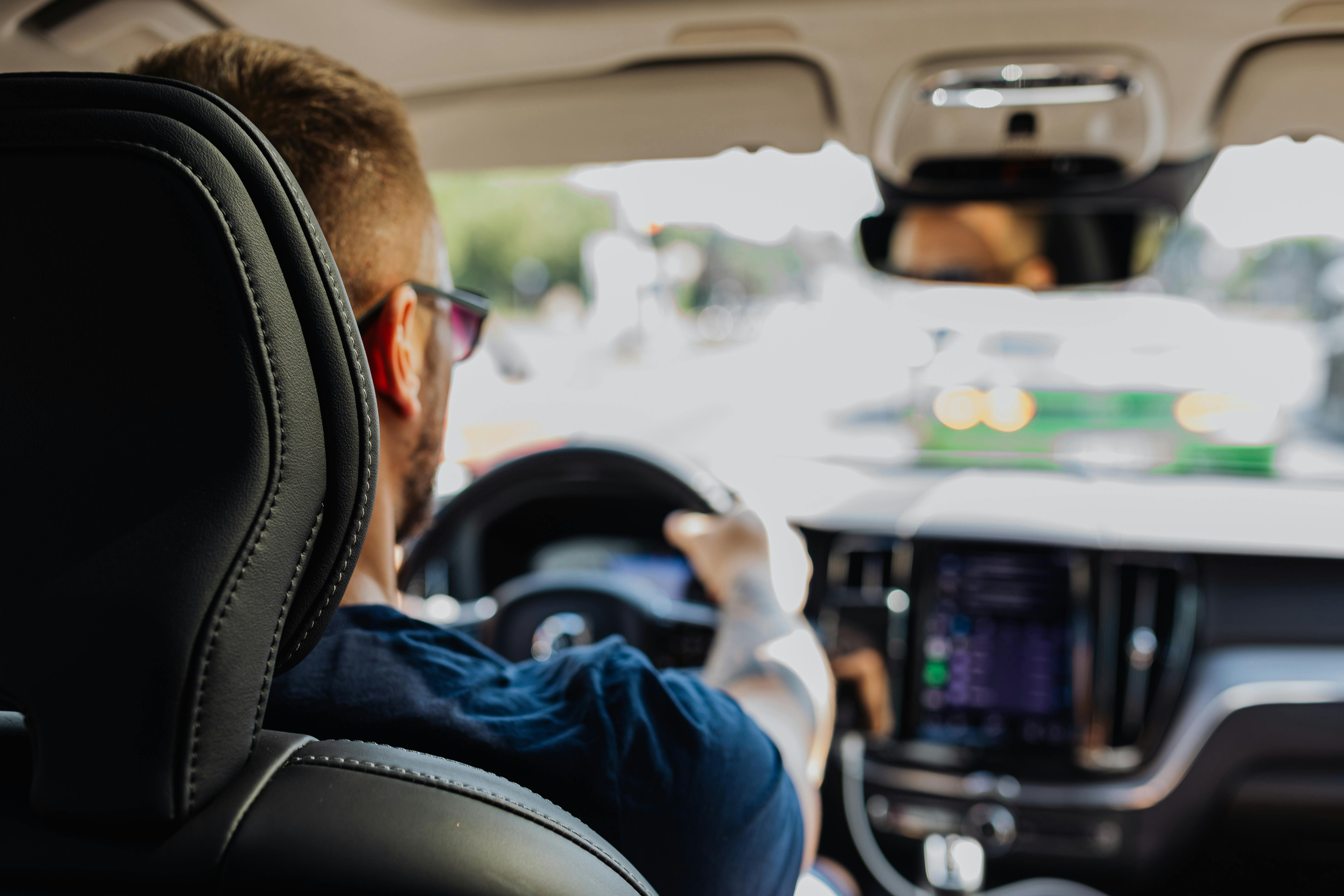
If you've ever owned a car but don't personally hold a driver's license, you might wonder how insurance works. It's a common situation for many, whether you're buying a car for a family member, managing a vehicle for an elderly parent, or simply storing a classic car. The good news is that securing auto insurance without a personal driver's license is often possible, though it requires understanding specific approaches and insurer requirements.
Quick Answer
Yes, it's typically possible to get auto insurance even if you don't have a driver's license. Insurers primarily want to know who will be driving the vehicle. If you're the car owner but not the driver, you'll need to list all licensed drivers who will operate the car on your policy. This setup ensures the vehicle is covered for the actual risks it faces.
Scope Lock: This guide focuses on insuring a vehicle when the policyholder does not hold a driver's license, not on driving without a license.
Documents to Prepare
- Vehicle title or registration (proof of ownership)
- Information for all licensed drivers who will operate the vehicle (names, driver's license numbers, dates of birth)
- Proof of residence (utility bill, lease agreement)
- Details of the vehicle (VIN, make, model, year)
- Any existing insurance policy information (if applicable, for continuity)
- Explanation of why you don't have a license (e.g., medical condition, non-driver status, or a suspended license – this helps the insurer understand the risk)
Steps to Consider When Insuring a Vehicle Without a License
- Identify all potential licensed drivers for the vehicle.
- Gather their driver's license information.
- Clearly explain your specific situation to potential insurers.
- Be prepared to be listed as an "excluded driver" if you have a suspended license or other high-risk factors.
- Compare quotes from multiple insurance providers, as options can vary.
- Review the policy details carefully to ensure all intended drivers are covered.
Common Mistakes
- Not Disclosing All Drivers: Failing to list everyone who will regularly drive the car can lead to claim denials. Insurers need a full picture of the risk.
- Assuming Coverage: Don't assume a policy automatically covers anyone who drives the car, especially in this unique situation. Clarify with your insurer.
- Attempting to Drive the Car Yourself: Obtaining insurance for a car you own without a license does not grant you permission to operate it. This is a separate legal matter.
- Not Understanding Exclusions: Some policies might have specific exclusions for individuals without a valid license, or for certain types of drivers.
- Choosing the Cheapest Option Without Review: A low premium might mean insufficient coverage for your actual needs or specific exclusions you overlooked.
What to Ask Your Insurer
- "What documentation do you need from me as a non-licensed vehicle owner?"
- "How will my policy be structured to include the licensed drivers I designate?"
- "Are there any specific exclusions or limitations I should be aware of given my situation?"
- "What happens if a driver not listed on my policy drives the car and has an accident?"
- "If my license is suspended, how does that impact my ability to be the policyholder, and are there different considerations?"
- "Can I be listed as an 'excluded driver' if I cannot or will not drive the vehicle?"
Mini Scenario
Maria recently inherited her grandmother's car. Maria herself doesn't drive due to a medical condition and doesn't hold a license. Her daughter, Sarah, however, has a valid license and will be using the car for daily commutes and errands. To ensure the car is properly protected, Maria needs to secure an auto insurance policy. She will be the policyholder, but Sarah will be listed as the primary driver, allowing the insurer to assess the driving risk accurately.
Frequently Asked Questions
What if no one in my household has a license but I own a car?
This is a complex situation. If the car is never driven, you might need a comprehensive-only policy for fire, theft, or vandalism. If it's driven, you'd need to list an unrelated licensed driver. This varies by insurer and state, and some may not offer coverage in this exact scenario without a licensed household driver.
Do I need insurance if I only store my car and never drive it?
If the car is stored and never driven, you might opt for a "comprehensive-only" policy. This covers non-collision events like theft, fire, or weather damage, without needing liability coverage for driving. This can be a practical option for classic cars or vehicles in long-term storage.
What is a "named non-owner" policy?
A named non-owner policy provides liability coverage for individuals who drive cars they don't own, but it doesn't cover a specific vehicle. This isn't typically for insuring a car you own without a license, but rather for those who frequently borrow or rent cars and want their own liability protection.
What is an "excluded driver" on an auto insurance policy?
An excluded driver is someone specifically named in the policy who will not be covered if they drive the insured vehicle. This is often used when a household member is considered high-risk or does not have a valid license, allowing the policyholder to obtain coverage without that individual affecting the rates or eligibility for coverage.
Sources & Official References
Insuring a vehicle when you don't hold a driver's license is a specific situation that many insurers can accommodate. The key is clear communication with your insurance provider and ensuring all actual drivers are properly accounted for on the policy. This helps maintain appropriate coverage for your vehicle. Remember, insurance requirements and options can vary by state and insurer, so direct consultation is always recommended.