
Finding a Responsive Auto Insurance Company: What to Look For
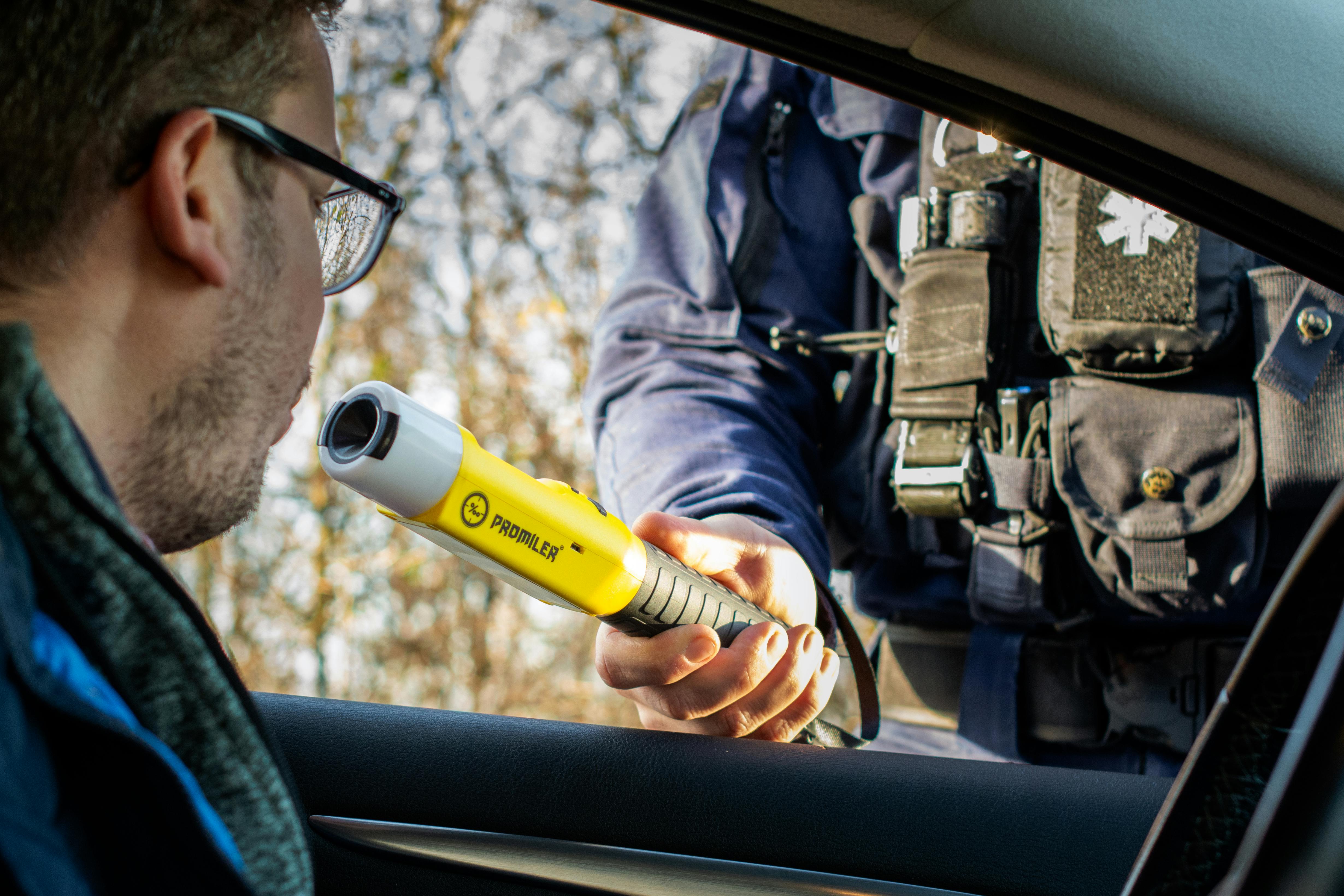
Dealing with car trouble is stressful enough. When you then need to interact with your auto insurance company, the last thing anyone wants is silence or slow responses. If you've ever waited days for a call back after a fender bender, you know the frustration firsthand. Finding an insurer that communicates clearly and acts efficiently can make a real difference during challenging times.
Quick Answer
A responsive auto insurance company excels at clear, timely communication, offers accessible support channels, and handles claims with efficiency and transparency. They provide consistent updates and make it straightforward for policyholders to get information or assistance when needed, from policy questions to claim resolution.
Scope Lock: This guide focuses on identifying characteristics of a responsive auto insurance company, not on comparing specific providers or policy types.
What Does "Responsive" Mean in Auto Insurance?
Responsiveness in the context of auto insurance extends beyond just answering the phone. It encompasses the entire interaction experience. This includes how quickly they process a claim, how clearly they explain policy details, and how accessible their customer service is through various channels. A truly responsive insurer anticipates policyholder needs and makes the process as smooth as possible, reducing stress during incidents.
Key Traits of a Responsive Insurer
When evaluating an auto insurance company, consider these indicators of strong responsiveness:
- Clear Communication Channels: Do they offer multiple ways to get in touch—phone, email, chat, mobile app? Are these channels staffed effectively?
- Efficient Claims Process: From the initial report to final settlement, a responsive insurer provides a clear roadmap, communicates next steps, and processes documentation without unnecessary delays.
- Proactive Updates: You shouldn't have to chase them for information. A responsive company provides updates on claims or policy changes without prompting.
- Accessible Customer Service: Representatives should be knowledgeable, polite, and empowered to help. Long hold times or being bounced between departments can be a red flag.
- Fair and Transparent Resolution Approach: While not strictly "responsiveness," a company that clearly explains their decisions and works towards a fair resolution often aligns with good communication practices.
Documents to Prepare
Having the right information ready can streamline your interactions with an auto insurer, especially during a claim:
- Your auto insurance policy declarations page
- Vehicle Identification Number (VIN)
- Driver's license information
- Photos or videos of damage (before any repairs)
- Contact information for other parties involved in an incident
- Police report number, if applicable
- Estimates for vehicle repairs
- Receipts for any immediate out-of-pocket expenses related to an incident
- Any prior correspondence or claim numbers
Checklist for Evaluating Responsiveness
Before committing to an insurer, consider these points:
- Research online reviews and testimonials, specifically noting comments about claims handling and customer service.
- Check their typical communication methods and availability (e.g., 24/7 claims reporting, online portals).
- Ask about their average claims processing time and communication protocols during a claim.
- Review their sample policy documents for clarity and ease of understanding.
- Contact their customer service with a general question to gauge their initial response time and helpfulness.
Common Mistakes
Missteps can lead to frustration when dealing with an insurer:
- Not Documenting Interactions: Failing to keep a record of dates, times, and summaries of calls or emails can make follow-up difficult.
- Ignoring Policy Details: Not understanding your policy's coverage limits, deductibles, or exclusions can lead to surprises during a claim.
- Waiting Too Long to Report: Delays in reporting an incident can sometimes complicate the claims process.
- Assuming All Insurers Are the Same: Responsiveness levels vary significantly among companies. Research is key.
- Not Utilizing All Communication Channels: If phone lines are busy, try their app or online portal for updates.
What to Ask Your Insurer
When you're looking for a new policy or have questions about an existing one, these questions can help assess responsiveness:
- What is the standard process for filing a claim, and what information will I need?
- What are the typical response times for claims inquiries and general questions?
- How will I receive updates on my claim, and how often?
- Do you have a dedicated claims adjuster I can contact directly?
- What communication channels are available, and which do you recommend for urgent matters?
- How do you handle disputes or disagreements during the claims process?
Mini Scenario
Sarah was backing out of her driveway and accidentally scraped her car against a mailbox, causing a minor dent. She quickly pulled out her phone, took a few pictures of the damage, and then located her insurance card. She wasn't sure if she should call or use the app, so she opted for the app's chat feature. Within minutes, a representative confirmed receipt of her incident report and explained the next steps, including how to submit her photos and schedule an appraisal. This prompt guidance eased her mind about the minor mishap.
Frequently Asked Questions
How do I know if an insurer is responsive before I need them for a claim?
Researching online reviews, checking independent ratings, and contacting their customer service with a general inquiry can offer insights. Pay attention to how quickly they answer, the clarity of their responses, and the range of communication options they provide.
What should I do if my current auto insurer isn't responsive?
First, try using all available communication channels, like their online portal or app, if phone calls are not effective. Document all your attempts. If issues persist, consider escalating to a supervisor or, if appropriate, filing a complaint with your state's Department of Insurance. You might also explore switching insurers at your next renewal.
Does a responsive auto insurer typically cost more?
Not necessarily. Price and responsiveness are not always directly correlated. While some insurers known for top-tier service might have higher premiums, many companies offer competitive rates alongside good customer support. It's important to compare quotes and customer service reviews.
How quickly should an auto insurer respond to a claim?
While there's no universal rule, many states have regulations regarding prompt claims handling. Often, insurers aim to acknowledge a claim within a few business days and begin their investigation shortly after. The overall timeline can vary based on the complexity of the claim and required documentation.
Can I switch insurers if I'm unhappy with their responsiveness?
Yes, you generally have the right to switch auto insurance companies at any time. You might receive a refund for any unused premium. It's often advisable to secure a new policy before canceling your old one to avoid any lapse in coverage.
Sources & Official References
Choosing an auto insurance company that prioritizes clear communication and efficient service can significantly improve your experience, especially when you need them most. It's about finding a partner who makes a challenging situation a little easier to navigate. Take the time to evaluate their responsiveness before you need to rely on it. Remember, this information is for educational purposes only and does not constitute legal, financial, or tax advice. Insurance policies and coverages can vary by state and individual insurer. Always consult with a qualified professional for personalized advice.