
Does Auto Insurance Follow the Car or the Driver?
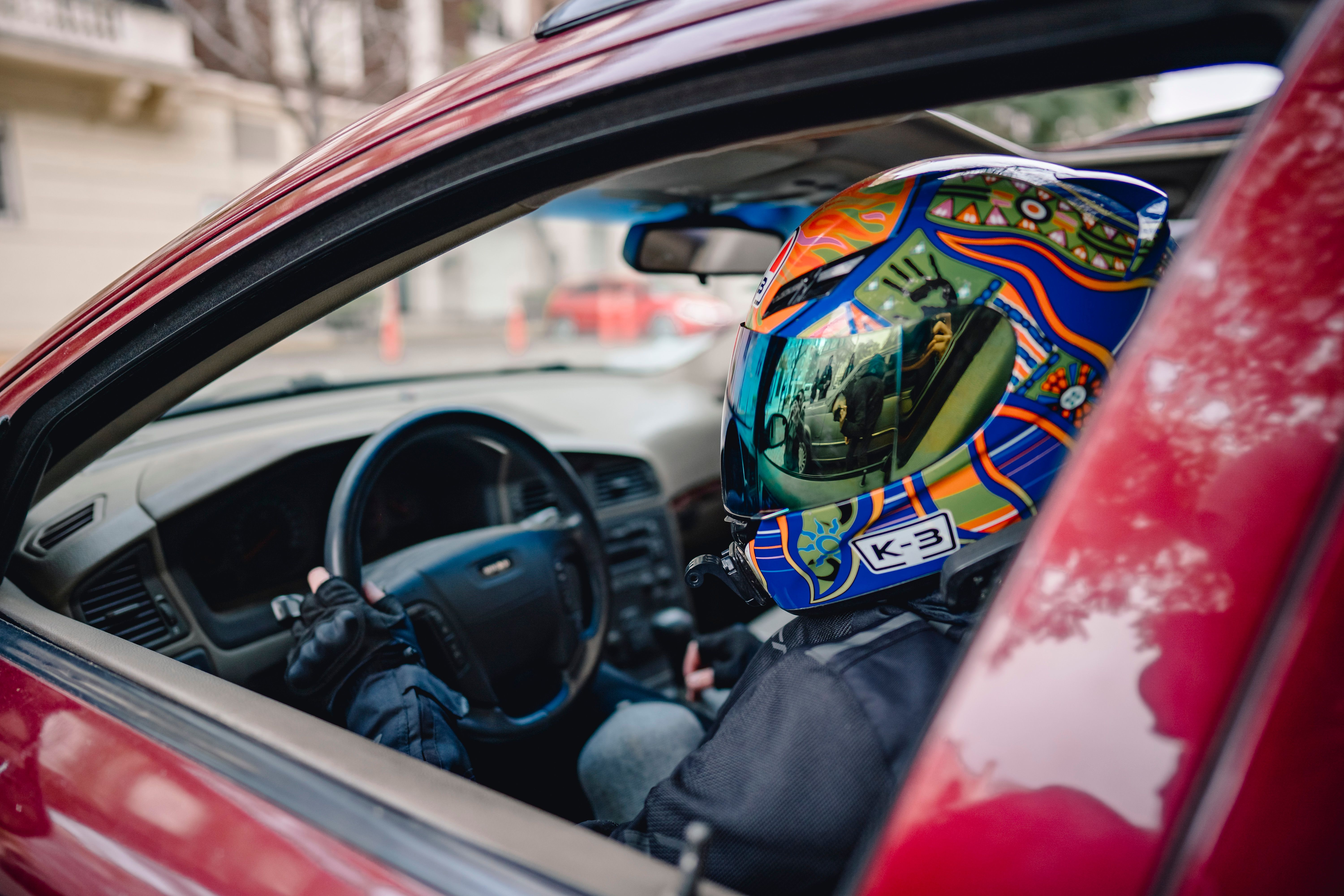
Understanding how auto insurance works can be a bit confusing, especially when it comes to who or what is covered. If you've ever lent your car to a friend or borrowed one yourself, you might wonder what happens if there's an accident. The common question is whether the insurance policy primarily follows the car or the driver. The answer isn't always a simple one-word response, as it often involves a combination of both.
Quick Answer
Generally, in the United States, auto insurance primarily follows the car. This means the vehicle owner's policy is typically considered the primary coverage for an incident, even if someone else is driving. However, the driver's own insurance policy can act as secondary coverage in certain situations, and specific policy terms, state laws, and named drivers significantly influence how coverage applies.
Scope Lock: This guide focuses on personal auto insurance policies and how coverage applies to the vehicle and various drivers, not on commercial policies or specific state liability laws.
Understanding "Follows the Car" vs. "Follows the Driver"
Most personal auto insurance policies are written to cover the vehicle itself. This is often referred to as the "principle of the car." When you purchase a policy, you're insuring a specific vehicle against risks like collision, theft, or damage. The coverage extends to anyone driving that vehicle with your permission, under what's known as "permissive use."
However, the driver's own insurance policy can also play a role. If the primary coverage on the car is exhausted or insufficient, the driver's personal policy might kick in as secondary coverage. This dual layer of protection can be important, but it's crucial to understand which policy is primary and what the limits are for each.
When Insurance Primarily Follows the Car
When you lend your car to a friend or family member, your insurance policy usually provides the primary coverage for any damage or liability that occurs while they are driving. This is because your policy is tied to your vehicle. If your friend gets into an accident, a claim would typically be filed against your policy first. This can impact your premiums or claims history, even though you weren't behind the wheel.
Most policies include provisions for "permissive use," meaning that if you give someone permission to drive your car, they are generally covered by your policy. There can be limitations, though. For instance, some policies might not cover drivers under a certain age or those living in your household who are not explicitly listed on your policy.
When Insurance Primarily Follows the Driver
While the car owner's policy is usually primary, there are scenarios where the driver's insurance is more central or acts as important secondary coverage. For example, if a driver causes an accident while driving a borrowed car, and the damages exceed the car owner's policy limits, the driver's own liability coverage might then be tapped to cover the remaining costs. Additionally, if the driver has a non-owner policy, this could provide primary liability coverage when they drive cars they don't own and aren't regularly available to them.
Another instance is when someone regularly drives a car they don't own, such as a company vehicle. In such cases, a specific policy or endorsement might be in place for the driver, or their personal policy might offer some level of non-owned vehicle coverage, depending on the terms.
Documents to Prepare
Having certain documents readily available can streamline the process if an incident occurs involving a borrowed or lent vehicle.
- Your auto insurance declarations page (shows coverage details and limits)
- Vehicle registration and proof of ownership
- Driver's license information for all involved parties
- Contact information for all drivers and vehicle owners
- Any accident reports or police reports
- Photos of vehicle damage and the accident scene (if applicable)
- Repair estimates or receipts (if repairs have begun)
- Loss history report (can sometimes be requested from your insurer)
Key Considerations for Borrowing or Lending Your Car
Before handing over your keys or taking someone else's, consider these points:
- Understand Permissive Use: Confirm your policy covers drivers you explicitly allow to use your car. Be aware of any exclusions, such as unlisted household members.
- Know Your Policy Limits: Ensure your coverage limits are sufficient, as your policy will likely be primary.
- Check the Driver's Status: Verify the driver has a valid license and a good driving record.
- Discuss Deductibles: If an accident occurs while someone else is driving your car, you, as the policyholder, are generally responsible for the deductible.
- Consider Regular Use: If someone will be driving your car regularly, they typically need to be added as a named driver on your policy. Failing to do so could lead to denied claims or policy non-renewal.
Common Mistakes
- Assuming Full Coverage: Don't assume your policy will cover every scenario or that the borrower's policy will automatically take over.
- Not Disclosing Regular Drivers: Failing to list household members or others who regularly drive your car can lead to significant issues with claims.
- Lending to High-Risk Drivers: Your policy might not cover drivers with a history of serious violations or those who are unlicensed.
- Ignoring Policy Exclusions: Some policies have specific exclusions for certain types of drivers or uses (e.g., business use, international travel).
- Not Communicating: Both parties should discuss insurance coverage before lending or borrowing a vehicle.
What to Ask Your Insurer
A direct conversation with your insurance provider can clarify many uncertainties.
- "Does my policy cover someone else driving my car with my permission?"
- "Are there any age restrictions or specific exclusions for permissive use?"
- "What happens if a driver who lives with me isn't listed on my policy?"
- "If I borrow a car, will my personal auto insurance provide any coverage?"
- "What are the implications for my premiums or claims history if a permissive user has an accident?"
- "Do I need a non-owner policy if I frequently drive cars I don't own?"
Mini Scenario
Sarah lends her SUV to her brother, Mark, for a weekend trip. While driving, Mark is involved in a minor fender-bender. The other driver's car sustains some damage, and Sarah's SUV has a dented bumper. Sarah's insurance policy, as the vehicle owner, would typically be the primary coverage for both the damage to her SUV and the liability for the other driver's car. Mark's own insurance might offer secondary protection if Sarah's limits are exceeded, depending on his policy terms.
Frequently Asked Questions
If I lend my car, does my insurance cover the driver?
Yes, typically. Most personal auto policies cover anyone driving your car with your explicit permission, under what's known as "permissive use." Your policy would generally be primary in an accident.
What if the driver I lend my car to has their own insurance?
The car owner's policy is usually primary. The driver's own policy might act as secondary coverage, potentially covering costs that exceed the car owner's limits or providing certain coverages not present on the owner's policy.
Do I need to add household members to my policy?
Yes, generally. If someone lives in your household and regularly drives your car, they should typically be listed as a named driver on your policy. Failure to do so could lead to issues with claims or policy non-renewal.
What is a non-owner auto insurance policy?
A non-owner policy provides liability coverage for individuals who frequently drive cars they don't own and aren't regularly available to them, such as rental cars or borrowed vehicles. It typically acts as primary liability when no other coverage applies or as secondary coverage.
Could lending my car impact my insurance premiums?
If a permissive user has an accident while driving your car, a claim would be filed against your policy. This could potentially affect your future premiums or your claims history, similar to if you had been driving yourself. The specific impact can vary by insurer and the nature of the claim.
Sources & Official References
Understanding how auto insurance covers both the car and the driver is key to managing risk. While policies generally follow the vehicle, individual circumstances, state laws, and policy terms can introduce nuances. Always clarify specific situations with your insurer to ensure adequate protection.